Lighting is often underestimated in the corporate world, yet it significantly contributes to employee productivity, mood, and overall work satisfaction. The connection between effective lighting design and workplace efficiency is a hot topic across human resources and facilities management spheres, especially as we navigate the ever-evolving landscape of office environments. After all, a bright workspace isn’t just about aesthetics; it has profound implications for health and performance. In this context, the design of office lighting has emerged as a critical factor in creating spaces that not only enhance work performance but also contribute to holistic employee well-being. A well-illuminated office can transform an ordinary space into a hub of energy and creativity, catering to the diverse needs of modern workers and organizations.
In a world where energy conservation has become increasingly important, innovative lighting solutions are providing companies with the tools needed to foster productivity while being mindful of environmental impact. This includes everything from LED technologies to smart lighting systems that adapt to the time of day. With lighting companies like Philips Lighting, Osram, and GE Lighting leading the charge, businesses are beginning to recognize the potential of lighting not just as a necessity but as a strategic asset that can influence organizational success.
- Understanding how light impacts human biology and productivity.
- Exploring various types of office lighting solutions available today.
- Highlighting techniques for optimizing natural light use.
- Identifying the relationship between lighting, mood, and employee well-being.
- Providing actionable strategies for improving office lighting.
The Role of Light in Human Biology
Light plays an essential role in regulating our biological processes, particularly our circadian rhythms—the internal clock that dictates sleep and wakefulness patterns. These rhythms are crucial for maintaining overall well-being; exposure to natural light during the day synchronizes our biological clocks, resulting in enhanced alertness and improved sleep quality. Insufficient exposure to light, especially in office settings, can lead to several issues: fatigue, stress, and a noticeable drop in productivity. Light is not merely a physical necessity; it’s a biological imperative that shapes how we function.
Furthermore, the type of light influences our moods and cognitive functions. Natural sunlight is a primary source of vitamin D, which is vital for mood regulation and immune health. A lack of natural sunlight is linked to conditions such as seasonal affective disorder (SAD), a type of depression triggered by reduced daylight exposure during winter months. Thus, optimizing office lighting to suit human biological needs is crucial.
Impact of Lighting on Circadian Rhythms
Here are some key points about how lighting affects our circadian rhythms:
- Exposure to bright, blue-enriched light in the morning enhances alertness and focus while regulating melatonin production, which promotes better sleep at night.
- Natural daylight can increase serotonin levels, improving mood and reducing feelings of anxiety and depression.
- Poorly designed artificial lighting can disrupt these biological rhythms, creating a cycle of fatigue and low productivity that is hard to escape.
Understanding the Science
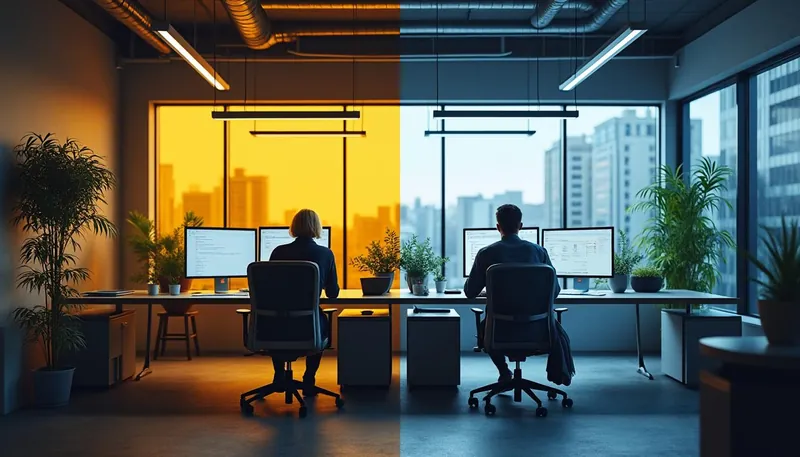
Lighting does not merely illuminate; it interacts with our very biology. For example, researchers have identified that specific wavelengths of light can either stimulate or relax the mind. Cooler light temperatures (around 6500K) are found to enhance concentration and mental agility, which can be particularly beneficial during high-stakes tasks. In contrast, warmer light (around 3000K) offers comfort and relaxation, suitable for break areas where employees can recharge. Striking the correct balance within office spaces is essential for maximizing productivity.

Types of Lighting Solutions in Modern Offices
As businesses strive to create work environments conducive to productivity, the variety of lighting solutions available has expanded dramatically. Companies like Acuity Brands, Zumtobel Group, and Cree Lighting are at the forefront of developing innovative solutions tailored to the unique needs of different workspaces.
Key lighting solutions in contemporary office designs include:
- Natural Light: Sunlight is not only the most energy-efficient source but elevates both mood and visibility.
- LED Lighting: Energy-efficient and flexible, LED lights provide sustainable options for organizations.
- Task Lighting: This lighting targeted at specific tasks maximizes comfort and reduces eye strain.
- Smart Lighting: Automated systems that adapt to the time of day and employee activity can significantly enhance comfort levels.
The Benefits of LED Lighting
LEDs are becoming remarkably prevalent in office environments due to their myriad advantages:
- Longevity: LED bulbs can last up to 25,000 hours or more, reducing maintenance costs.
- Energy Efficiency: They use up to 75% less energy than traditional incandescent bulbs, translating to lower electricity bills.
- Versatility: LED systems can offer tunable white light, enabling variations in color temperature throughout the day.
Moreover, integrating smart lighting solutions that can adjust not only to time of day but also to occupancy levels can lead to significant energy savings, while also maintaining an efficient working environment. Lutron Electronics, a leader in lighting control, has pioneered systems that provide a responsive lighting solution based on real-time needs.
Optimizing Natural Light Usage in Office Spaces
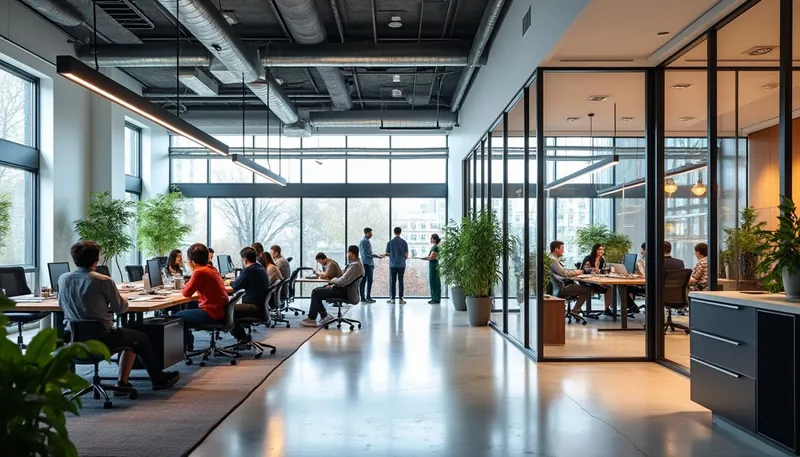
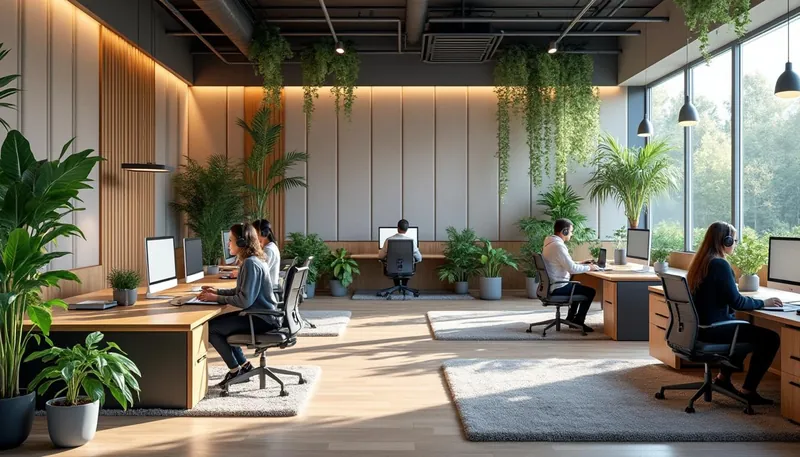
Maximizing natural light is key to boosting morale and productivity in the workplace. There are proven strategies for incorporating natural light into office designs, which increases exposure to the outdoor environment and helps employees feel more connected to nature.
Consider these methods:
- Placement of desks near windows to take full advantage of daylight.
- Using glass partitions to prevent blocking light while providing privacy.
- Avoid heavy drapes; instead, opt for light, sheer materials that let in daylight.
- Add skylights for internal spaces that lack windows, flooding them with natural illumination.
Benefits of Natural Light on Mental Health
The positive effects of natural light on mental health cannot be overstated. Employees exposed to sunlight report better moods, higher energy levels, and decreased stress. Consider the following outcomes of incorporating natural light:
- Decreased symptoms of depression and anxiety.
- Increased job satisfaction, leading to lower turnover rates.
- Improved cognitive performance, resulting in higher productivity.
Companies that take steps to ensure that their employees are working in a brightly lit environment often see remarkable returns on investment in the forms of heightened creativity and collaboration among their teams. Solutions from providers like Signify and Fagerhult are capitalizing on the benefits of natural light while integrating them into their lighting systems.
The Relationship Between Lighting, Mood, and Employee Well-Being
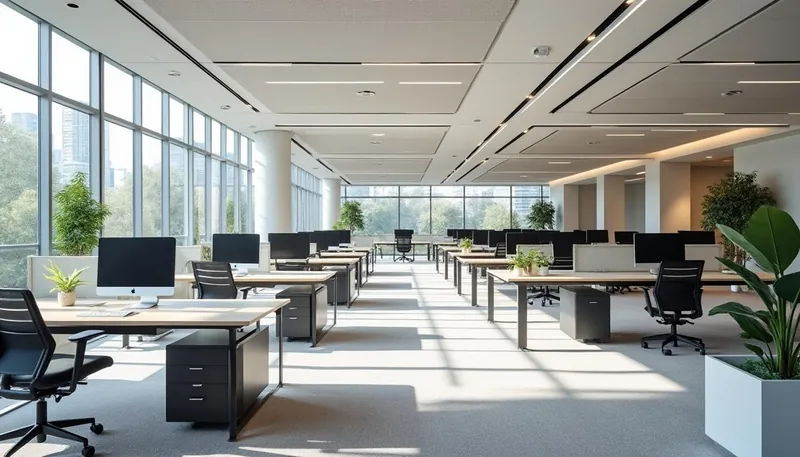
There is a clear correlation between office lighting and employee mood, further reinforcing the argument for strategic lighting design. Poor lighting can lead to feelings of lethargy and disinterest, hence hampering productivity. In contrast, optimal lighting can energize employees and facilitate a more positive workplace atmosphere.
Psychological Effects of Working in Brightly Lit Spaces
The color temperature and intensity of workplace lighting impact emotional states significantly. Studies indicate that:
- Cooler lighting promotes alertness and drive, essential for brainstorming and creative tasks.
- Warmer tones, akin to a cozy café, are conducive to casual discussions and breaks.
- Bright environments reduce fatigue and promote engagement in repetitive or monotonous tasks.
By understanding how lighting impacts human psychology, businesses can design their workspaces to elicit the desired emotional responses in their employees. Organizations investing in their employees’ psychological needs are likely to observe a pronounced improvement in overall productivity.
Strategies for Enhancing Office Lighting
Implementing effective lighting strategies within office environments can lead to a revolutionary shift in employee productivity and comfort. Here are some actionable steps companies can take:
- Conduct a Lighting Assessment: Evaluate current lighting installations and identify areas of improvement. Consider factors such as brightness, glare, and overall comfort.
- Encourage Flexibility: Allow employees the option to adjust their individual workspaces’ lighting, such as through personal desk lamps or task-specific lighting.
- Invest in Technology: Invest in systems that allow for customization of lighting settings, such as those offered by Eaton Lighting and similar technological innovators.
- Educate Employees: Provide training on how to optimize the lighting in their workspace effectively.
When these strategies are implemented effectively, organizations can craft work environments that prioritize the health and productivity of their personnel, driven by smart, efficient lighting solutions.
How does lighting affect mood in the workplace?
Lighting influences mood significantly. Natural light boosts morale and energy levels, while improper lighting can lead to fatigue and lower productivity.
What type of lighting is best for productivity?
Cool white light (around 4000K to 6500K) is generally best for productive tasks, while warmer light (2700K to 3000K) is better for relaxed environments.
What are the consequences of poor lighting?
Poor lighting can lead to eye strain, headaches, fatigue, decreased productivity, and an overall negative atmosphere in the workplace.
How can companies optimize office lighting?
Employers can optimize lighting by maximizing natural light access and using adaptable LED solutions to meet varying workspace needs.